
Parent guides · Ages 0 to 2 (The Quiet Corner)
Lullabies for babies, with the words to print
How to use lullabies at bedtime with a baby: one song, the same time each night, slow and soft, with six lullabies to print with the words.
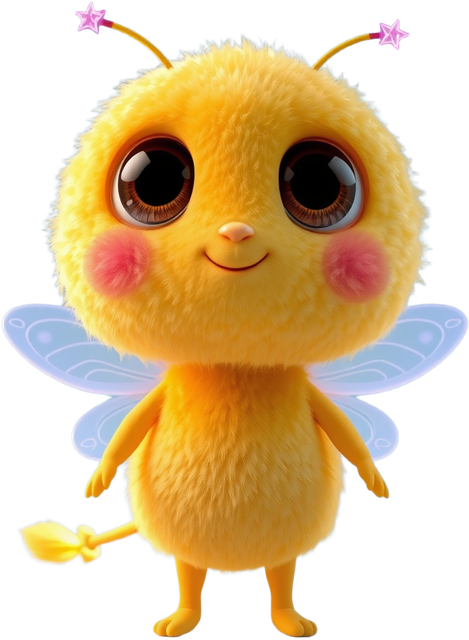
A lullaby tells a baby that the day is ending. Sung the same way every night, it becomes a signal: when this song starts, sleep comes next. For ages 0 to 2 (The Quiet Corner), the song does not need to be perfect. Your voice, slow and soft, is the part your baby knows.
One song, the same time each night
Pick one lullaby and sing it at the same point in the routine every night. After the bath, after the book, as the lights go down. The order matters more than the clock. A baby who hears the same song in the same place learns what comes after it.
Keep the song for weeks. Changing it every night turns a signal into a surprise.
Slow, soft and low
Sing slower than feels natural and a little lower than your speaking voice. Hum the lines you forget. Babies respond to rhythm and warmth more than to words, so a hummed verse works as well as a sung one.
Rock or pat gently in time with the song. The beat of the rocking and the beat of the song together are calming in a way neither is alone.
Six lullabies with the words
Two free sheet sets print from the printables page, each with three lullabies in big, calm type, one to a page:
- Lullaby lyric sheets: Twinkle, Twinkle, Little Star, Sleep, Baby, Sleep and Star Light, Star Bright.
- Three more lullabies: Rock-a-Bye Baby, Hush, Little Baby and Lavender's Blue.
Every one is a traditional song, sung by families for generations. Pin a sheet by the cot or the rocking chair, so anyone putting your baby to bed sings the same words: a parent, a grandparent or a sitter. The same song from a different voice still carries the signal.
Lullabies for the day too
The same songs calm a baby in the car, at the doctor's or in a new place. A familiar song in an unfamiliar room is a little piece of home. Many parents find one lullaby becomes the family's comfort song for years.
Add a lap song in the morning
Mornings want a different kind of song: bouncy, with a move. The lap song cards have twelve, from pat-a-cake to row your boat. Keeping lively songs for the day and slow ones for the night helps your baby tell the two apart.
When your baby cries during the song
Keep singing, quietly. Crying at bedtime is common, and stopping the song can make the routine feel broken. If the crying goes on, pick your baby up, keep humming and start again when they settle.
Older siblings can sing too
A toddler or older child can learn the words from the sheet and sing to the baby. It gives them a job at bedtime and gives the baby a second familiar voice. Let the older child choose which of the six songs is theirs to sing.
Keep watching for the daytime
The Activity Shorts on YouTube are for the daytime: about a minute each, one thing to do, then the screen goes off. The last part of the evening belongs to songs and books.
Stories after the song
For toddlers, a short story after the lullaby lengthens the wind-down. The bedtime routine star chart puts bath, pyjamas, teeth, book and lights out in order, with a star for each step. The guide to star charts explains how to use it.
A calm room helps
Low light, a quiet room and the same blanket every night do as much as the song. Keep the lights dim from the start of the routine, and keep any screen off for the last part of the evening.
Meet Tara, the firefly whose glow closes every bedtime, and Kudimi, the giant panda on the Sleep, Baby, Sleep sheet.
Free printables with Kudimi Family
127 activity sheets to print free in US Letter or A4, from tracing and counting to mazes and dot to dot. Kudimi Family is a free account for parents and carers.
More parent guides
Follow Kudimi on YouTube and Instagram. All parent guides.